
 Real Estate & Construction
 Heating & Cooling
 Home and Kitchen
 Food & Beverages
 Business and Economy
 Baby
Baby
 Industry
 Computer & Electronics
 Garden
 Education & Counseling
 Sports & Recreation
 Pets & Animals
 Health & Beauty
 Tourism & Hospitality
 Fun & Leisure
 Clothing & Footware
 Vehicles & Transportation
 Other
Other
World's most advanced IP nurse call system
- Štirnova ulica 8, 4000 Kranj
- https://caretronic.com/
- info@caretronic.com
- 04 235 03 50

Nurse Call Light System Design and Integration in Healthcare Facilities
Nurse call light system is a structured link between a patient and a caretaker. Reliable communication extends far beyond simple buttons, lights, or alarms. Modern nursing call systems incorporate mobile alerts, documentation, data logging, and workflow prioritisation. The solution’s effectiveness depends on how well it aligns with the facility’s size, workflow, and clinical needs. When configured thoughtfully, a nursecall system improves response times, supports staff coordination, and enhances patient confidence.
The medical field has some of the strictest standards, regulations, and laws regarding medical equipment. Meeting regulatory expectations is a continuous process that runs from concept to long-term support. Every design and feature decision by nurse call systems manufacturers shapes the system’s performance under pressure, its integration within healthcare institutions, and its long-term reliability and lifespan.
Nursecall System Use in Single and Multi-Ward Facilities
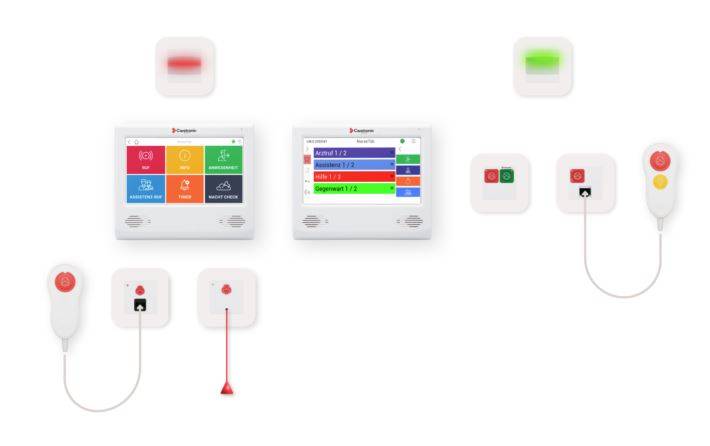
Nurse call light system is a unique device that ensures safe and responsive care. It connects patients to staff while providing visibility into clinical activity and the broader operational flow of the facility. Due to its flexibility and scalability, it can be implemented in a small single-ward unit or a complex multi-ward institution such as a hospital.
Nurse call systems manufacturers also design equipment for single-ward institutions that offers centralised visibility. Call categorisation in such facilities is usually less complex and includes standard assistance requests, bathroom or fall-risk alarms, and emergency or cardiac alerts. Multi-ward institutions are more complex and have varied clinical activities, so the system must support distributed alert routing and role-based responses.
Nurse Call Systems Manufacturers Ensure Accessible and Inclusive System Design
Nursecall system must have an inclusive and accessible design. It is intended to give vulnerable, anxious, or physically limited patients an effective way to communicate. Inclusive design supports safe and independent care for all users, regardless of age, ability, or medical condition. Such an approach acknowledges variability while complying with regulations and standards that shape expectations. Physically accessible designs are critical in medical environments, as many patients experience reduced strength, impaired fine motor control, or limited reach.
Accessible design also includes visual clarity. Many patients using a nurse call light system are not tech-savvy, so it must feature clear icons and easily readable fonts. Buttons, indicators, and displays benefit from high-contrast colours, while lighting should be bright enough for visibility yet gentle enough to avoid discomfort or sleep disturbance. System use must be simple for all patients, including those with temporary cognitive changes, memory impairment, or learning disabilities.

How Technology Choices Define Today’s Manufacturers
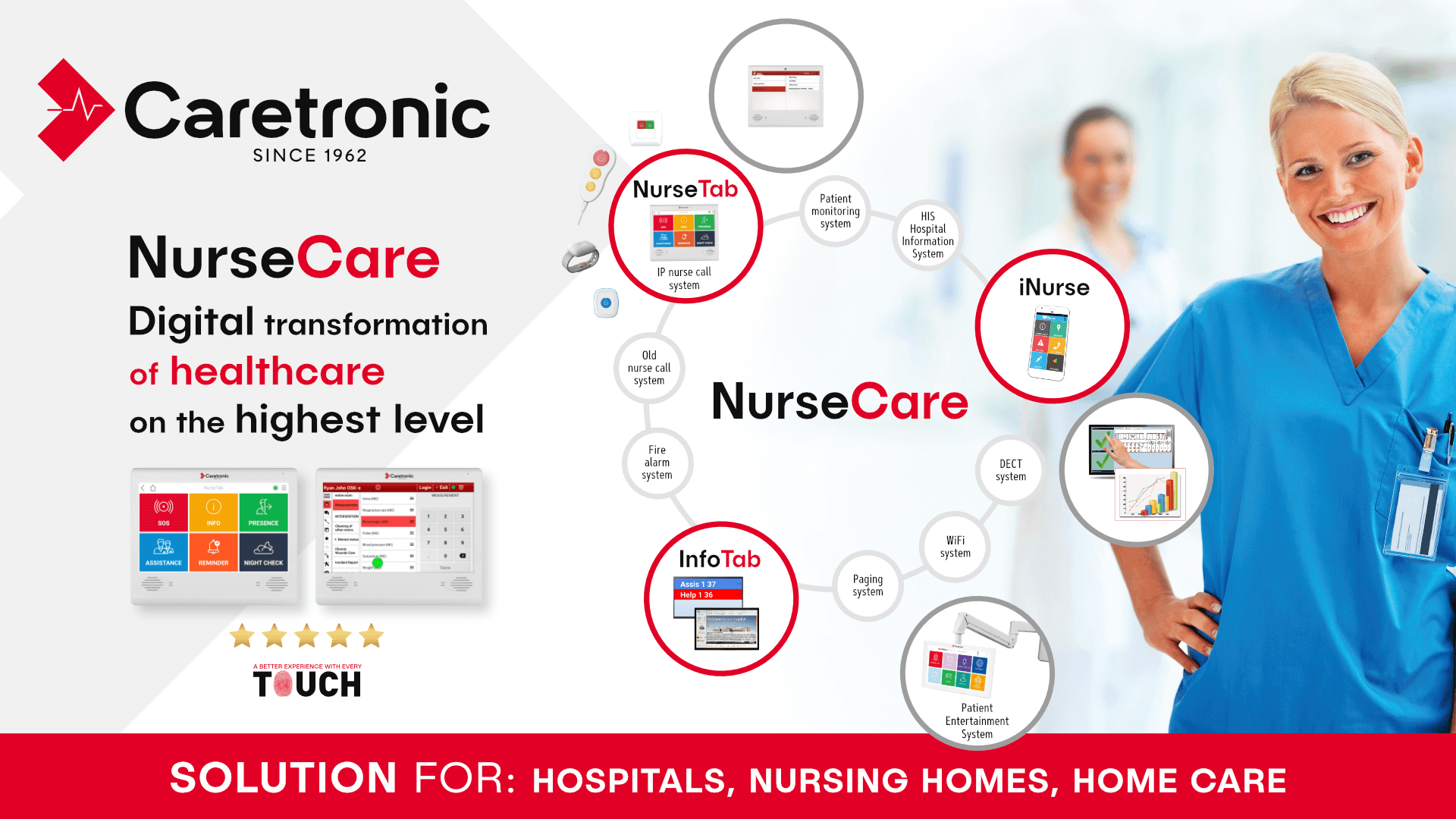
Nurse call light system defines nurse call systems manufacturers more clearly than marketing or pricing. The primary decisions engineers make revolve around design, which determines how the equipment operates. It may be a static installation or a dynamic digital platform. Another defining choice is communication technology. There are three options on the market, including wired, wireless, and hybrid communication models. If engineers opt for a hybrid solution, it allows new equipment to be implemented alongside older systems.
Engineers also consider real-time performance, latency management, and escalation models. These elements are paramount in securing optimal operating conditions, establishing efficient protocols, and creating reliable real-time environments. Interoperability, interaction with the nurse call system in hospital, data logging, and scalability are also essential considerations for manufacturers seeking long-term system performance.
Nurse Call Systems Manufacturers’ Flexibility Across Different Facility Sizes
Nursecall system is essential for smooth operations, enhancing both staff efficiency and patient safety. How engineers adapt the technology to a facility determines whether it supports care delivery or creates operational obstacles. Flexibility is a practical requirement for evolving healthcare environments. Facility size often influences how care is delivered, shaping workflows, operational decisions, and patient flow. As workflows differ across environments, the solution must be customised to meet specific needs. This includes tailoring alarms, call types, priorities, alert tones, and response rules rather than relying on a one-size-fits-all model.
Scalability is equally important, as it protects long-term investment. A flexible and scalable nurse call light system continues to operate smoothly as the facility grows and architectural complexity increases. Manufacturers’ adaptability ensures that additional features are introduced when required, rather than imposed prematurely.
How Manufacturers Guarantee a Nursecall System Meets Regulations
Manufacturers must engineer solutions that meet regulatory requirements. A regulatory roadmap is often treated as a reference point, with experts continuously monitoring updates and guidance notes. Regulations, laws, and standards are considered from the earliest stages of technology planning, and suppliers must provide appropriate documentation to the facility. This proactive approach reduces future risk and provides clearer evidence for regulators.
Engineers meet regulatory expectations by embedding quality management as a foundational practice and conducting continuous safety and performance testing. They carefully plan software and cybersecurity measures, provide training, and collect feedback, incident reports, and performance data. Advanced features of a nurse call light system help reduce delays, prioritise needs, and support efficient nursing workflows. Investing in a reliable solution ultimately strengthens patient safety, staff performance, and long-term operational success.
 This content was created without generative artificial intelligence.