
 Real Estate & Construction
 Heating & Cooling
 Home and Kitchen
 Food & Beverages
 Business and Economy
 Baby
 Industry
 Computer & Electronics
 Garden
 Education & Counseling
 Sports & Recreation
 Pets & Animals
 Health & Beauty
 Tourism & Hospitality
 Fun & Leisure
 Clothing & Footware
 Vehicles & Transportation
 Other

- Industrijska cesta 5, 1290 Grosuplje
- http://kopaoven.com/en/
- info@kops.si
- 01 7888400

Charcoal Stainless Steel Grill Built to Withstand Professional Use
A charcoal stainless steel grill used in a professional kitchen faces very different demands from equipment intended for occasional cooking. High temperatures, repeated services, frequent opening and closing, and intensive daily use all place demands on its materials and construction. For restaurants, durability therefore becomes an important consideration when selecting equipment intended to remain part of the kitchen for years.
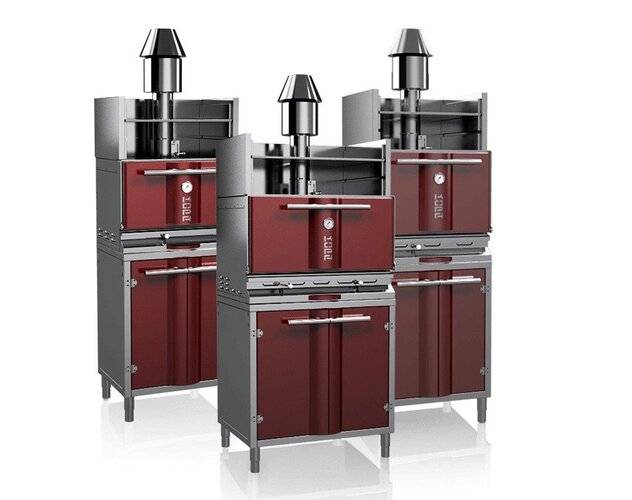
Material choice is only one part of that equation. A charcoal stainless steel grill also needs a construction suited to the way professional kitchens operate. When choosing a commercial BBQ, restaurants should therefore consider whether its materials and construction are suited to repeated use throughout demanding services. With a BBQ with oven functionality, the enclosed cooking environment places additional importance on components that are repeatedly exposed to heat. Manufacturers such as Kopa address these requirements through equipment developed specifically for professional hospitality environments.
.jpg "charcoal stainless steel grill")
Why Material Matters in a Charcoal Stainless Steel Grill
Professional cooking equipment is repeatedly exposed to heat, food residue, grease, cleaning, and continuous handling by kitchen staff. Materials therefore need to be selected with the intended working environment in mind rather than simply for their appearance.
The construction of a charcoal stainless steel grill can provide the robustness required for this type of intensive use. Kopa uses durable refractory steels in its professional equipment, while components such as the cooking racks are made from refractory stainless steel and designed for demanding conditions. Durability should nevertheless be considered as part of the entire design. Doors, handles, racks, trays, controls, and structural components all experience different types of stress. A strong cooking chamber alone does not determine how well equipment will cope with years of repeated operation.
Durability Under Commercial BBQ Conditions
Professional kitchens may operate for long hours, with equipment moving through repeated periods of heating, cooking, and cooling. During peak service, a commercial BBQ may also need to handle consecutive orders with little interruption. This makes consistent construction quality particularly important. High temperatures are a normal part of this cooking method. Materials and components therefore need to be appropriate for their intended operating conditions. Kopa designs its professional equipment around an enclosed, insulated cooking chamber and uses materials intended for high-temperature restaurant cooking.
Physical handling matters too. Cooking racks are removed and cleaned, doors are opened repeatedly, and trays need to be accessed as part of normal kitchen routines. For a commercial BBQ, long-term practicality depends on these frequently used components being suited to the demands of professional service, not only on the performance of the cooking chamber itself.
How a BBQ with Oven Benefits from Robust Construction
An enclosed cooking chamber allows chefs to use the same station for more than conventional grilling. Kopa equipment supports different cooking applications, including grilling and preparing dishes in pans, while its various configurations provide additional possibilities depending on the menu and service.
A BBQ with oven functionality may consequently experience prolonged periods of high-temperature operation throughout the working day. Insulation and appropriate construction materials become important because heat needs to remain concentrated within the cooking area while the equipment continues to function reliably in a busy kitchen environment.
Individual components also contribute to everyday usability. Kopa equipment incorporates features such as heat-resistant stainless-steel handles, cooking racks, an ash pan, and a grease collection tray. When selecting a BBQ with oven, looking beyond the main cooking chamber can therefore provide a better understanding of how the entire unit has been designed for repeated professional use.
Everyday Care Supports Long-Term Durability
Even robust professional equipment requires regular care. Food residue, grease, and ash are unavoidable consequences of daily cooking, and allowing them to accumulate unnecessarily can make routine cleaning more difficult. Following the manufacturer's instructions helps ensure that equipment is cleaned and maintained appropriately.
With a charcoal stainless steel grill, regular attention to cooking racks, accessible surfaces, and collection areas can become part of established kitchen procedures. Kopa's design includes an ash pan and grease collection tray, while its guidance also recommends cleaning cooking racks to remove accumulated fat.
Routine cleaning gives staff an opportunity to notice wear or damage to frequently handled components and address issues when necessary. Maintenance does not replace durable construction, but sensible everyday care can help professional equipment remain practical and dependable over time.
Looking Beyond the Initial Equipment Purchase
Professional cooking equipment represents a longer-term decision than its purchase price alone might suggest. Restaurants need to consider how frequently equipment will be used, what temperatures and workloads it will experience, and how easily routine tasks can be incorporated into daily kitchen operations.
A BBQ with oven that supports several cooking techniques may become an important part of the kitchen workflow, increasing the importance of construction suited to frequent use. Similarly, choosing a commercial BBQ involves considering whether its materials, components, and configuration correspond to the demands of the restaurant rather than focusing only on immediate cooking requirements.
Kopa develops its professional equipment with restaurant environments in mind, offering different sizes and configurations for varying operational needs. Ultimately, a charcoal stainless steel grill intended for intensive use should combine suitable materials with practical construction, appropriate operation, and regular care. Considering all of these factors can help restaurants choose equipment that remains a dependable part of the kitchen through repeated services and changing menu demands.
 This content was created without generative artificial intelligence.