
 Real Estate & Construction
 Heating & Cooling
 Home and Kitchen
 Food & Beverages
 Business and Economy
 Baby
Baby
 Industry
 Computer & Electronics
 Garden
 Education & Counseling
 Sports & Recreation
 Pets & Animals
 Health & Beauty
 Tourism & Hospitality
 Fun & Leisure
 Clothing & Footware
 Vehicles & Transportation
 Other
Other

My first choice
- Šaranovičeva cesta 35Vir1231, Domžale
- https://vivamel-medicalhoney.com/
- vivamel@tosama.si
- 01 7290100

What is medical honey, and why is it beneficial?
What is medical honey? Medical honey is a 100% natural product made out of nectar and manna of Castanea sativa and is one of the purest types. It has exceptional composition of sugars, minerals, vitamins, amino acids, enzymes and flavonoids. The final product is produced under controlled conditions that comply with HACCP and is subjected to biochemical and microbiological analyses.
The final product is entirely produced by bees and does not contain genetically modified or synthetic components. It is also undiluted, without added thickeners and other additives. Honey wound treatment dressings are produced in a highly controlled environment and undergo sterilisation by an e-beam that destroys microbes, including sporogenic bacteria. The whole production, including transport and storage of the golden liquid, complies with the rigorous standards. The product is also exposed to microbiological and biochemical analyses and biocompatibility tests under controlled conditions.
How to use medical honey, and what does the dressing do? The use is quite simple as the dressings were made for easy use. The medical chestnut dressings reduce pain and swelling, remove unpleasant odours and lessen tissue damage. They stimulate cleaning of necrotic tissue, granulation and healing without scarring. Unlike other compressions, they do not stick to the injury, are simple to apply and facilitate cost-effective healing.
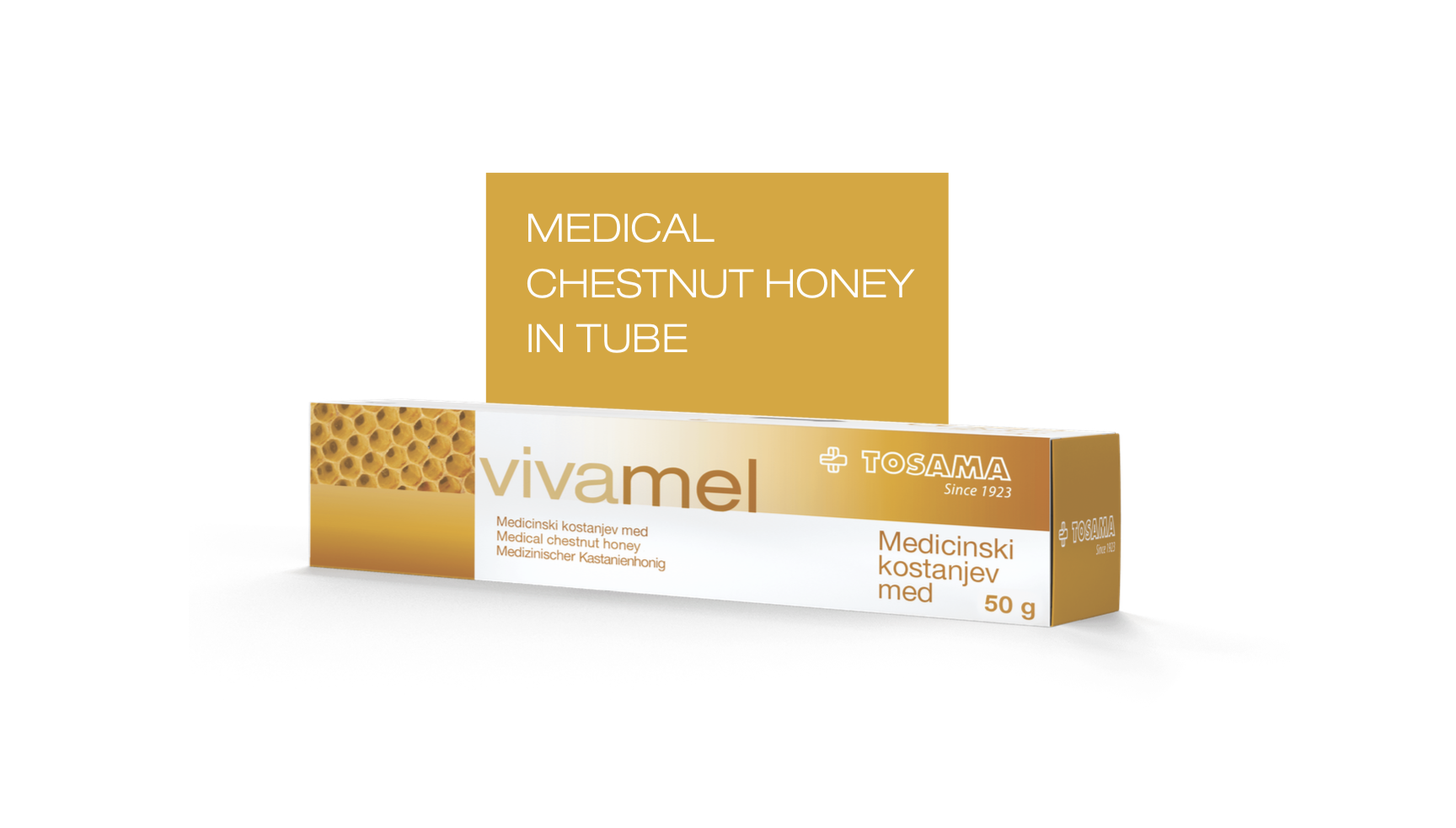
How to use medical honey?
What is medical honey? Honey has been around for millennials, and the first sources date back to the Stone Age 20.000 to 30.000 years ago. Before it became a part of delicious meals, it was used for skin application and embalming. How to use medical honey in this day and age? It can be used as a tissue dressing or as a chestnut honey in a tube.
Wound dressings offer absorbent carrier material support during the healing procedure. Honey wound treatment has a low water and high sugar content and an acidic pH, creating an unfavourable environment for the growth of bacteria and microorganisms. Simultaneously glucose oxidase enzyme (secreted from the hypopharyngeal glands of bees) strengthens the bacteriostatic activity, contributing to antimicrobial and anti-inflammatory action. The kynurenic acid destabilises and prevents biofilm formation, while high scopes of zinc, calcium, potassium and manganese promote granulation and epithelialisation.
Tissue dressings have unique properties that relieve inflammation, manage the bacterial load, reduce oedema and pain, remove microbes and impurities and promote the formation of new tissue. Honey in a tube has optimal viscosity, allowing it to spread nicely, completely covering the injury. It comes in an aluminium cream tube, which does not expand after squeezing the product out, preventing the remaining content. Practical packaging allows the product to be applied multiple times - even four months after opening.
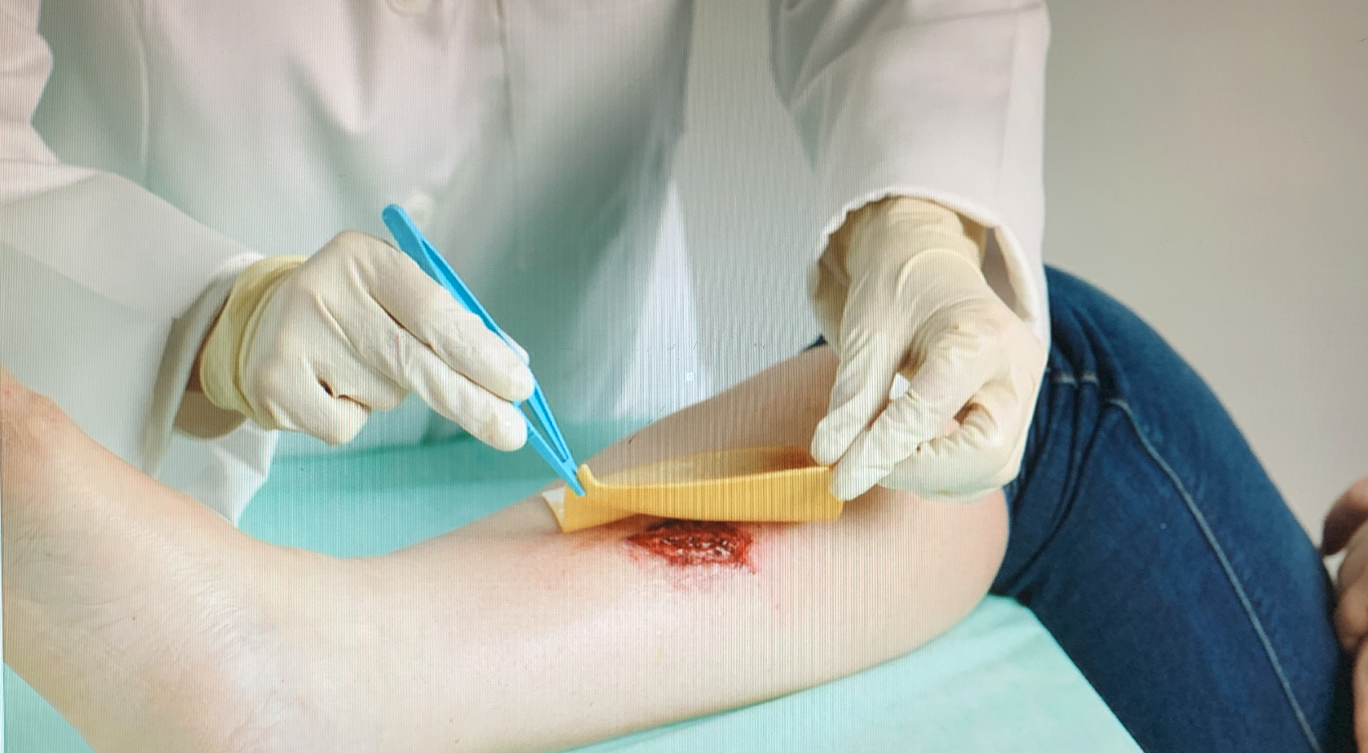
Honey wound treatment accelerates the healing process
What is medical honey? It is a product suitable for all types of wounds. It is recommended for deep, superficial, necrotic and undermining wounds. In honey wound treatment, there are three goals - to shorten the healing time, prevent complications and reduce the number of dressing changes. Before the treatment, the lesion is assessed with the help of the TIME concept.
The TIME concept is a modern approach guiding a step-by-step assessment. T stands for tissue. First, there is an assessment of the predominant tissue type. Based on the assessment, the decision is made, whether the tissue has to be removed or not to promote the healing. Letter I stands for infection and inflammation management, which should always be prevented or controlled. M stands for moisture and regulation of its balance. The moist environment is best for the healing, and the assessment determines whether the lesion needs additional hydration. And the letter E stands for edges. The edges are crucial for closing the injury and spontaneous healing process.
How to use medical honey? It can be used as a dressing, which successfully removes dead tissue and other impurities. This ancient remedy also has an anti-inflammatory effect, reduces exudate, accelerates healing and facilitates the migration of epithelial cells.
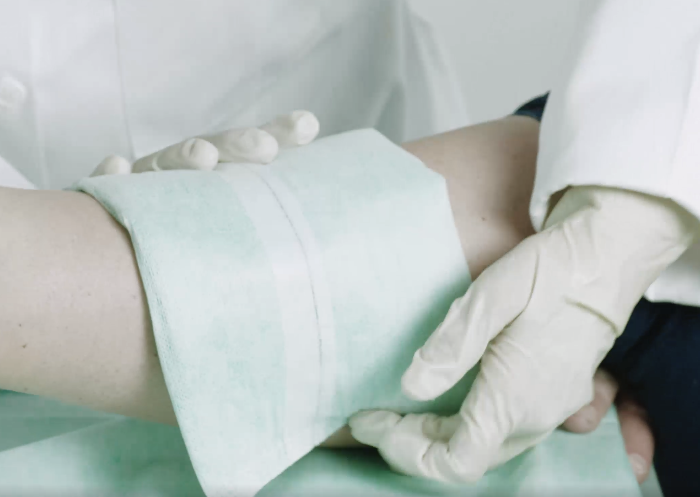
What is medical honey, and how does it work?
What is medical honey? Dressings contain sterile medical chestnut honey, and their performance is clinically proven. A cost-effective choice exhibits antimicrobial properties, promotes granulation and epithelialisation, decreases odour, supports debridement and has anti-inflammatory properties. All this makes honey wound treatment incredibly successful. And how to use medical honey? Medical honey is effective on dressings or in a tube. It all comes down to your preferences. No matter which you choose, healing will go through the same process.
The first phase is the inflammatory phase, where the tissue fights against the bacteria. In this phase, the cleansing and autolytical debridement are enhanced, while macrophages and lymphocytes are attracted. The enzyme glucose oxidase activates the slow release of low H2O2 concentration, triggering proteolytic debridement. The second phase is the proliferative phase. This phase promotes granulation, angiogenesis of connective tissue and collagen synthesis while having an anti-oxidative effect. The presence of natural sugars provides energy for cell reconstruction, and the presence of flavonoids stimulates cell proliferation. The last phase is maturation, which ensures healing with less or without scarring.
 This content was created without generative artificial intelligence.